


 |
 |
 |
 |
 |
 |
 |
 |
 |
 |
 |
 |
 |
 |
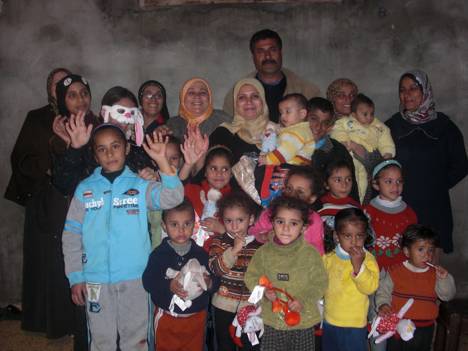
Tuesday’s Child Blog Following Yonder Star to Gaza – Day 4 “Courage, it is me, do not be afraid. Then He got into the boat with them and the wind died down”. Mk 6:45-52 Today is a day of prayer for the Muslim community in Gaza, when people stay at home with their families and go to the mosque to pray. Last night’s air strike triggers a new panic as the sheer terror of a repeat of Operation Cast Lead revisits this traumatised people. Across Gaza people gather in mosques to pray to their God for protection. Outside mosques people meet and discuss plans for the days ahead such as food supplies and somewhere more robust to stay than their makeshift homes. The irony is, that many of the mosques here are makeshift tents as 30 were completely destroyed in the war. Some parents choose to keep their children indoors. This afternoon we meet with three families, the extended family of a fisherman. We bring toys and sweets for each of the children and cash assistance for the family. This family are not part of the feeding programme and one of many fishing families in need of aid here in Gaza. I met some of the fishermen early in the morning of my last day in Gaza in July this year (see previous blog day 14). For me, their story represents one of the gross breaches of human rights here.
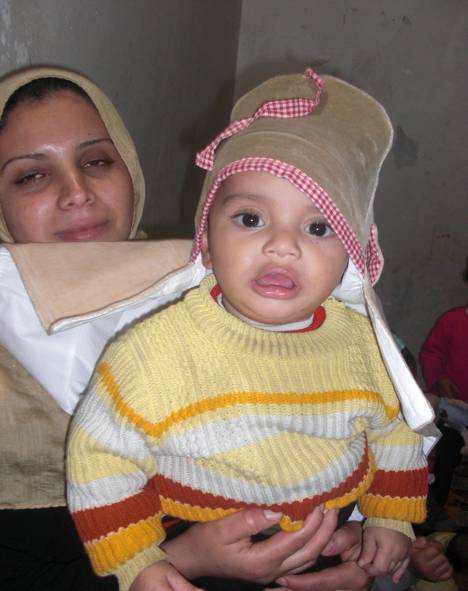
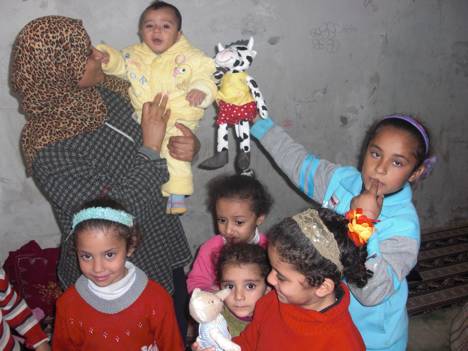
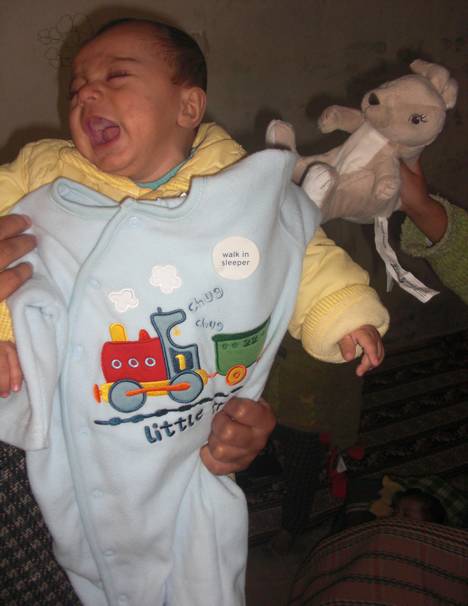
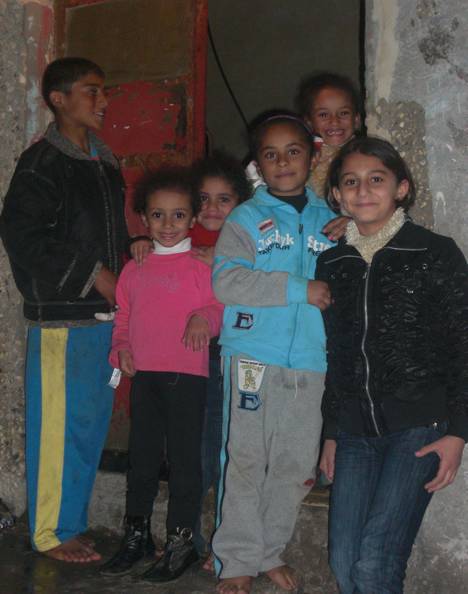
A representative of the fishermen joins us and outlines a background to the industry and lack thereof. There are 3600 fishermen in Gaza and 1000 boats shared between the men as a co-operative. There are 80 large boats but these cannot work within the tight fishing limit imposed of 2.5 miles so they are obsolete. Of the others, many are in need of repair leaving 700 small boats. “The distance we are allowed of 2.5 miles is impossible, tourists swimming in Tel Aviv have more room to manoeuvre than we have and we cannot make a living!”, he says dryly. He continues, “If we break the 2.5 mile limit we are shot at. Recently, 2 men have been killed and 5 men injured; all of the injured have been shot in the wrists or hands so as they cannot fish. I wince at the deliberate cruelty of it. “We need to go out beyond 6 miles for a reasonable catch and so we often take a chance. Some of the men injured have been within the limit, for example, men working in the port. I recall the death of a 17 year old fisherman in October just 700 meters out from shore. “Inside the limit, the fish are very small and they are sparse. Also with men in 700 boats fishing, within such a tight limit, there is almost one fisher every 20 meters, it is impossible to catch anything worthwhile”, he explains. I ask what sort of catch can be expected within the boundary. “In 5 days, 500 shekels (£83) worth of fish out of which we have to pay for fuel and wages for 10 men on a boat”, says Mohammed. The arrest of Shilat affected the fishing industry here. The war last year worsened the situation further. The damage from the war cost 300,000 USD in damage to boats and fishing nets. Now, 90 percent of fishermen rely on humanitarian aid to get by. I ask if they would consider other employment. “Sure, we have tried to find any work going, but it is not the same, we are fishermen, the sea is in our blood. Working on the land, we are like fish out of water and die inside. My father and grandfather were fishermen and all of my 10 brothers, also fishermen. This is our life and they have taken it from us. We cannot make enough money a month to buy food for even one week for our families. We ask what humanitarian aid support they receive. “UNWRA give us some help in that every 3 months they issue a bag of flour to each fisherman, but with a large family it does not last even a week”, he explains. They also funded a job creation programme for 300 fishermen for 3 years, to clean the beach. We are fishermen, but still we took great pride in keeping the beach clean, especially for the children. Another organisation CHF helped also with flour but it has been closed down. A solidarity group came and spent 3 months with then and fished with them outside the limit, putting their lives at risk to help us. We will never forget these people. We were shot at of course and one of this group was injured. Just prior to the war a large aid agency agreed to donate a sum of money to do maintenance on 400 boats and build an area for the fishermen in the port”, says Ahmed. Mohammed’s house is overlooking the sea. There is no roof on half of it and where we are sitting is open to the sky. With no building materials it is not possible to fix it. I ask where they stayed during the war. “We stayed here, in our home, in the kitchen as it is furthest back from the front”, he says. Very brave given the constant shelling from the sea. “We did not want to leave our home, we had nowhere to go . Also, I would be lost without the sea to look out on; it is in my soul and it is my comfort. It was very frightening, the children are still very afraid”. We ask about the future for the industry. “The future is very dark, we believe things will continue to worsen here. Hamas and Fatah need to work together if there is to be any chance of a future for ordinary people like us. It is the very least their people deserve”. I ask these men what they need. “We need funds for mending boats and nets and maintaining the ports. Also some equipment to see fish in the sea. Ultimately, we need the fishing limit to lift so as we can return to making our living as fishermen. We also need parts for broken motors and other parts of the boats, damaged by the constant shooting. In the meantime, we are in need of food assistance for 90 percent of the families in the industry here”. The old adage, teach a man to fish and feed him for life, does not apply in Gaza. I ask if they will take me out on their boat as far as the limit. They look at me as if I am mad to even consider it. They will think about it and let me know on Monday. We distribute toys, baby clothes and blankets and sweets to the many children here much to their delight. Children here are so easily pleased and so grateful for little gifts. We drink tea with these decent men and share stories and experiences. Despite the poverty, there is great warmth and friendship in this cottage. The fishing community are close knit and it is clear they look after each other.
It is dark as we say farewell to this lively crew. They thank us for our solidarity and support. Children gather at the door to wave us off. Until Monday.
If you are in a position to help any of the families we met during our time in Gaza, please contact us at info@tuesdayschild.co.uk or donate online here » |
|
|||


 |
Country Spotlight: Bosnia - Herzegovinia... Tuesday’s Child’s first project was building a safe playground for children with severe disabilities in a little school Sunce (sunshine) in Mostar, the front line of the Bosnian-Serbian war, which left 14 percent of children orphaned. On our first visit, we met an American lady Janet Leff. Janet has worked tirelessly throughout the region since the war and has touched the lives of so many. Tuesday’s Child is fundraising to sponsor a range of Janet’s projects for children and families…… educational materials, computers, dental treatment, wood for the winter, playgrounds, medical supplies and supporting severely ill children with specialist medical treatment. Find out more about the Countries we help... |
Tel: +44 (0)289 050 2725 | Mobile: +44 (0) 7545 452362 | Email: info@tuesdayschild.org.uk | Terms